
The Conversation Gap: Life with Older Parents
- Janeil Dickens
- Jul 8, 2025
- 3 min read

Updated: Jul 16, 2025
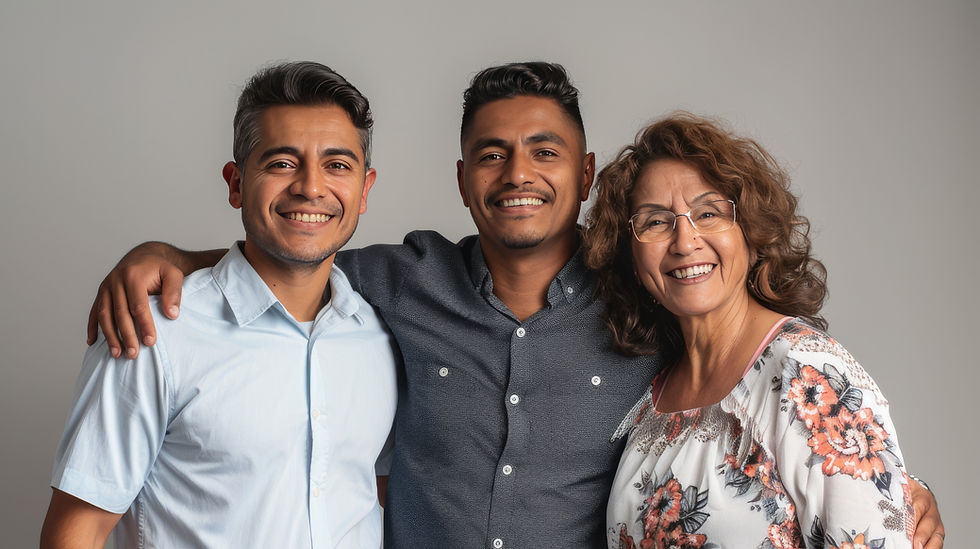
“Having older parents can be such a hard thing—and I feel like no one ever talks about it,” says content creator Angelina Nicole.
Lifestyle influencer, @Angelinanicole, like many young creators, is fond of GRWM-style videos. In one of her most talked-about posts, she sits cross-legged on her bedroom floor, chatting about a topic often left unaddressed: navigating life with older parents. She’s 26. Her parents are in their mid-60s. What starts as a daily makeup routine slowly turns into a vulnerable chat on mortality, legacy, and the fears she carries about the future.
Angelina wonders if her kids will know her parents like she did. She envies peers whose parents are younger, more energetic, likely to stick around longer. She even wonders whether it’s fair to feel this way.
Turns out, it is.
Thousands of kids are born each year to parents of "advanced age"—typically defined as 40 and older. And it’s not rare anymore. According to the CDC, births to people aged 40 and older have increased by over 193% since the 1990s, while birth rates among people under 30 have steadily declined. That shift means more young adults are navigating major milestones, like college and careers, alongside aging parents facing retirement, illness, or even cognitive decline.
But it also means more of them are thinking about death earlier. And surprisingly, more of them are open to talking about it.
Why younger people are talking about death more often
Unlike Gen Xers or even older Millennials, Gen Z has come of age in a world where loss feels ever-present. They’ve witnessed school shootings, global conflict, a pandemic, and the harsh economic realities of climate change and inflation.
And because of that, they are more likely to think about mortality, not just in moments of crisis, but in the everyday. In fact, according to recent research, 35% of Gen Zers think about death on a daily basis—more than any other generation.
What does that mean for young adults with older parents?
It means they are more emotionally attuned to the passage of time. They may wonder if their parents will meet our future spouses. Or if they will be able to afford their end-of-life care. And what kind of legacy they’ll leave behind.
But more importantly, it means they are more open to doing something about it.
To find and navigate content around death, grief, and end-of-life planning by and/or for Gen Z, here’s a few things you can do:
Explore #DeathTok: This TikTok subcommunity blends humor, vulnerability, and practical wisdom. Creators like @deathdoulabeth, @deathdoulakacie and @ladydeathdoula talk openly about hospice work, what it means to die well, and how to plan ahead—without fear.
Listen to podcasts and TED Talks. Why Thinking About Death Helps You Live a Better Life by death doula Alua Arthur is an honest conversation about dying, caregiving, and preparing for the inevitable. Her podcast episode, Grief Is a Sneaky Bitch explores personal loss stories and how to live fully while navigating death.
Find a Death Cafe: These casual meetups (both in-person and virtual) allow strangers to talk about death over tea and snacks.
Starting the conversation—a mini guide
You want to talk to your parents about death, but you don’t know how. That’s OK. You might not have peers going through this, but you can still take steps toward understanding and support:
Name the fear: First of all, it’s okay to be afraid of losing your parents. Saying it out loud is a brave first step.
Ask open-ended questions: Try “What do you want us to know about your wishes?” or “What matters most to you as you age?”
Use media as a bridge: Share a TikTok, podcast, or article that resonates and use it to start a conversation.
Journal your own wishes: You may not be a parent yet, but thinking through what you value can give you empathy—and clarity.
Look for opportunities to build community online: Reddit threads, Discords, and TikTok comments often turn into support groups. You might find your people there.
Even though it may feel that way, you’re not alone
There are thousands of people just like you navigating the same experience. Having a plan in place won’t make loss easier—but it will make it more manageable. Knowing your parents’ wishes—how they want to be remembered, who they want making decisions, what they want passed down—can be a powerful source of peace.
You’ve got this.


Comments